
Health and Wellness
Articles

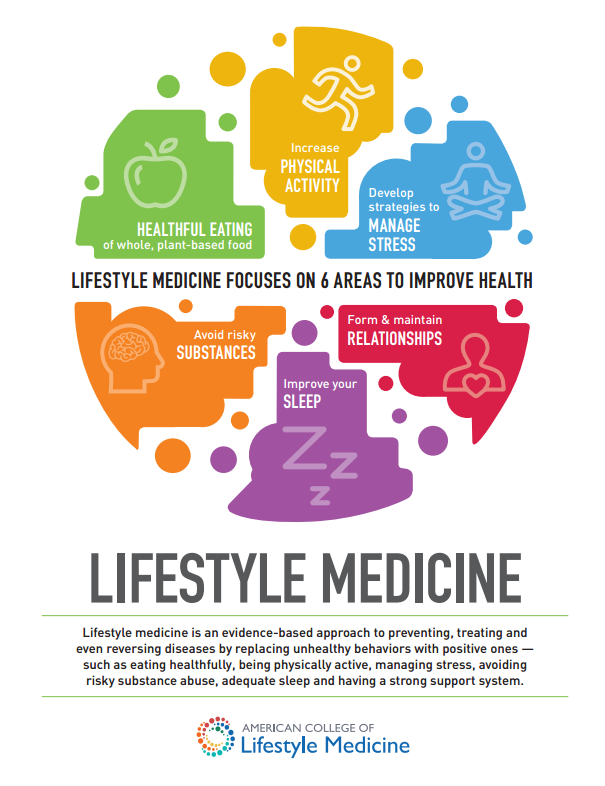
Food is Medicine. Choose predominantly whole, plant-based foods that are rich in fiber and nutrient dense.
Read More →
Stress can lead to improved health and productivity–or it can lead to anxiety, depression, obesity,....
Read More →

Regular and consistent physical activity that can be maintained on a daily basis throughout life–walking,...
Read More →
The well-documented dangers of any addictive substance use can increase risk for many cancers and heart disease. Positive behaviors that improve health...
Read More →


Social connectedness is essential to emotional resiliency. Studies show that isolation is associated with increased mortality.
Read More →
Lown's Blog Posts
Explore expert perspectives on preventive care, heart health, wellness, and personalized medicine from the physicians and specialists at Lown Group.
Stay informed with practical guidance designed to support healthier living and proactive care.
By Joel T. Katz, MD
•
August 8, 2025
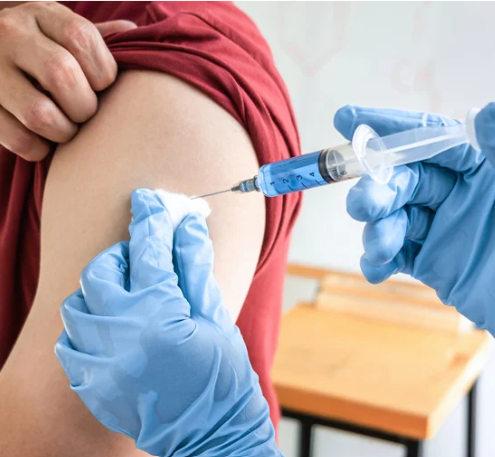
These seasonal vaccines are safe and effective, based on many well-designed scientific trials. The Advisory Committee on Immunization Practices of the CDC has comprehensive, reliable and balanced information about all available vaccines.
By Dr. Simin Lee
•
May 23, 2025
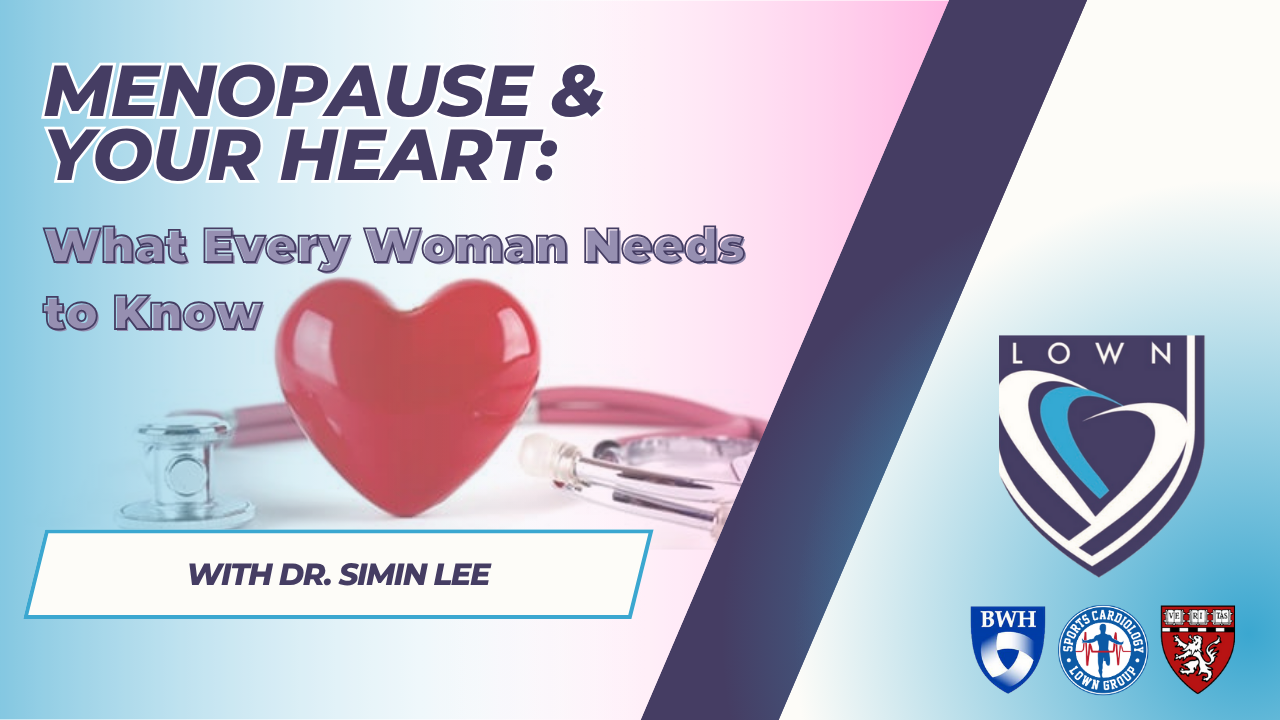
Whether you’re in the middle of menopause or well past it, your heart health matters more than ever. Hormonal changes during and after menopause can raise your risk for cardiovascular disease – but the good news is, you can take action to protect yourself.
Watch this webinar to learn:
- How menopause impacts your heart, both now and later
- The raising risk of heart disease after menopause
- Practical steps you can take to strengthen your heart at any stage
By Dr. Laurie Dos Santos, Dr. Demi Maglio, and Dr. Kaitlin Patton
•
June 24, 2024
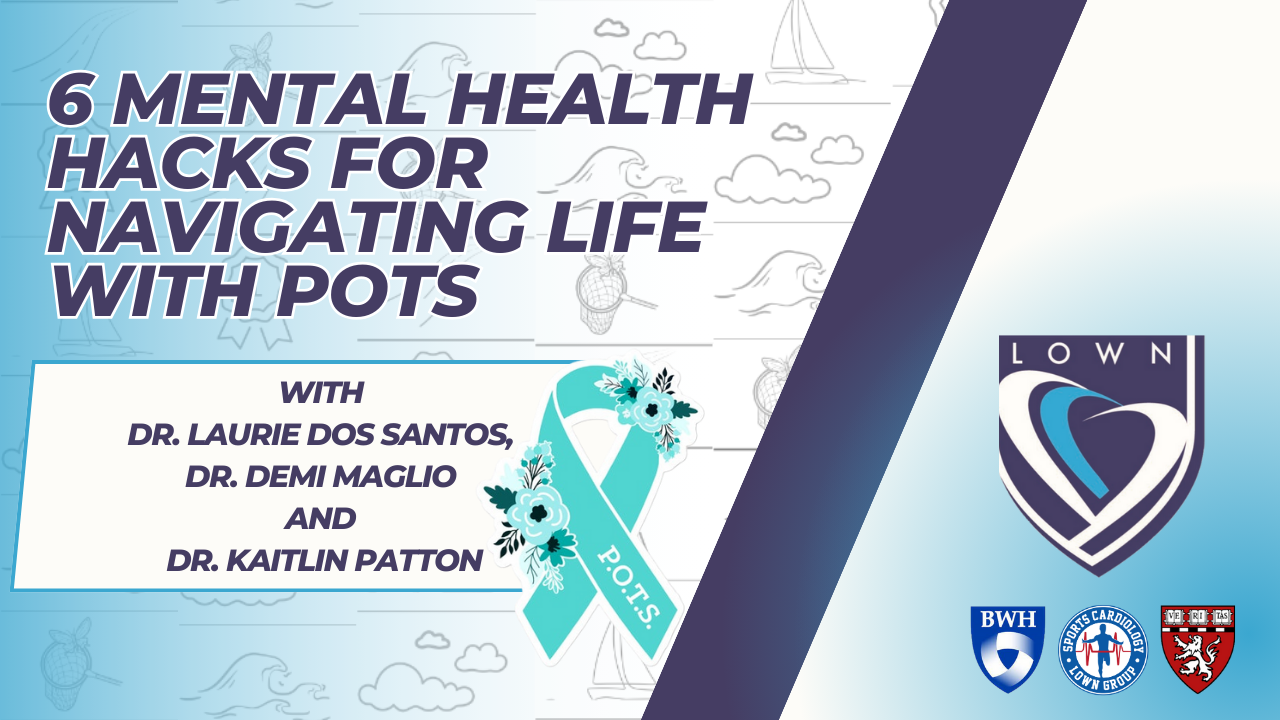
Living with Postural Orthostatic Tachycardia Syndrome (POTS) can be incredibly taxing and overwhelming, often depleting resources we didn't even know we had. Amidst the constant management of symptoms, or mental health and overall well-being can sometimes take a back seat. However, nurturing our mental and emotional health is just as crucial as caring for our physical health. Join three chronic health psychologists for an engaging and supportive discussion where we will explore practical strategies to cope with the daily challenges of POTS. Learn how to manage your symptoms while prioritizing your mental well-being effectively. Follow along with the worksheet: https://drive.google.com/file/d/1DMhCvjhUcXQ08zG2OYu2Uo5r_ahG1bst/view?usp=sharing Evolvinn Contact information: Website: https://evolvinn.com/ Facebook: https://www.facebook.com/Evolvinn Linked in: https://www.linkedin.com/company/evolvinn Instagram: https://www.instagram.com/evolvinntherapy/ Pinterest: https://www.pinterest.com/evolvinntherapy/ Office phone: (703) 520-7878 Email: info@evolvinn.com
By Skylar Griggs, MS, RD, LDN
•
March 5, 2024
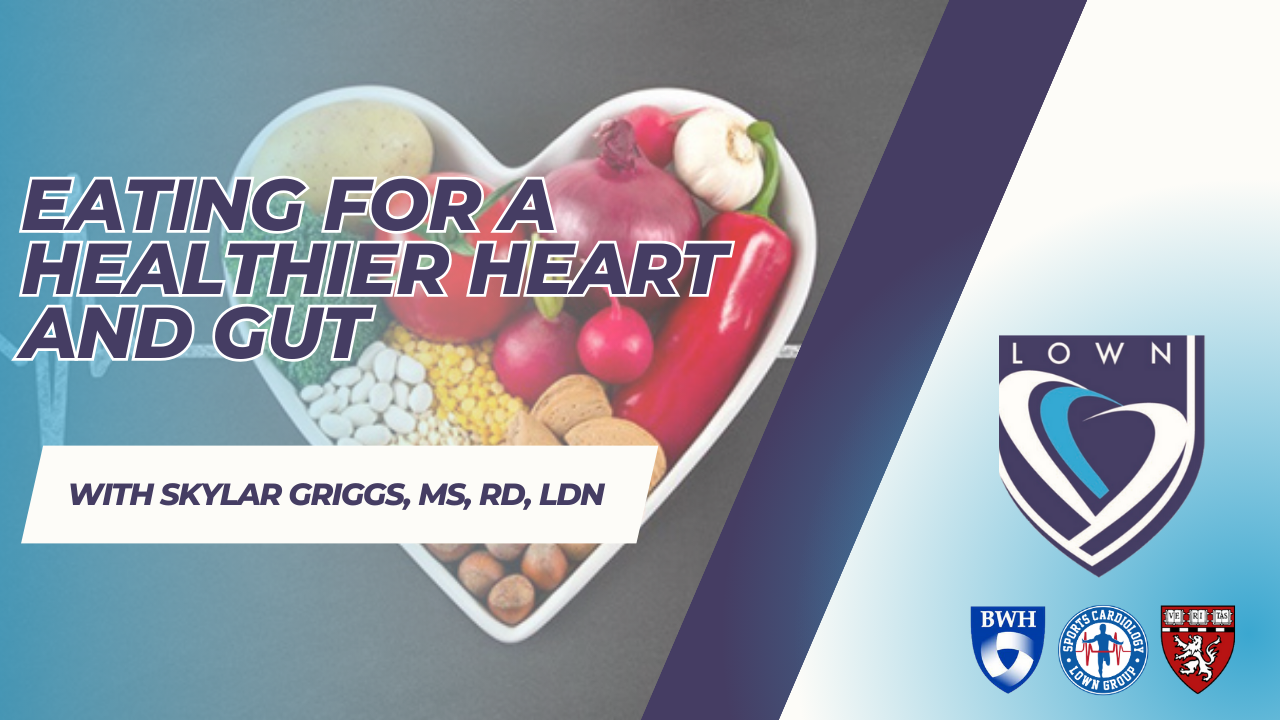
Join us as we welcome Skylar Griggs, MS, RD, LDN of Newbury Street Nutrition. We will be discussing 5 simple diet changes you can make to optimize your heart health and how your food choices directly affect your blood pressure, cholesterol levels and gut health.
By Dr. Simin G. Lee
•
February 6, 2024
Dive into the heart health breakthrough of the moment with our expert-led webinar on GLP-1 medications. We'll dissect how these drugs work, their impact on your heart health, common concerns, and what the future holds. This session is tailored for patients who seek a deeper understanding of their treatment options in a rapidly evolving medical landscape.
By Lown Staff
•
December 4, 2023
Please join us as we continue our discussion on the benefits of exercise in cardiovascular health. This webinar will be devoted to understanding the role of exercise in patients with cardiac diseases including coronary artery disease, atrial fibrillation, and heart failure. Study on Coronary Artery Disease: https://www.jacc.org/doi/10.1016/j.jacep.2022.12.002 Study on Atrial Fibrillation: https://www.jacc.org/doi/10.1016/j.jacep.2022.12.002 Study on Heart Failure with Preserved EF: https://www.ahajournals.org/doi/full/10.1161/CIRCULATIONAHA.117.030617 Study on Heart Failure with Reduced EF: https://jamanetwork.com/journals/jama/fullarticle/183708 Overview study of all cardiac diseases: https://www.jacc.org/doi/10.1016/j.jacc.2022.07.004
By Dr. Amit Anand
•
November 6, 2023
Please join us as we welcome Dr. Amit Anand for his talk on Pranayama-Breath Work. The talk will focus on the role of Pranayama-breath-work practices for the cultivation of health and well-being. Breath-work has its roots in the wisdom tradition of Yoga. The accumulated science on breath-work and its effects on pulmonary and cardiovascular physiology, emotional wellbeing and sleep will be highlighted. The participants will also learn simple breathing exercises that they can incorporate into their lives on a daily basis. Dr. Anand's Website: https://www.pranayamarx.com/
By Dr. Marie Gerhard-Herman
•
October 17, 2023
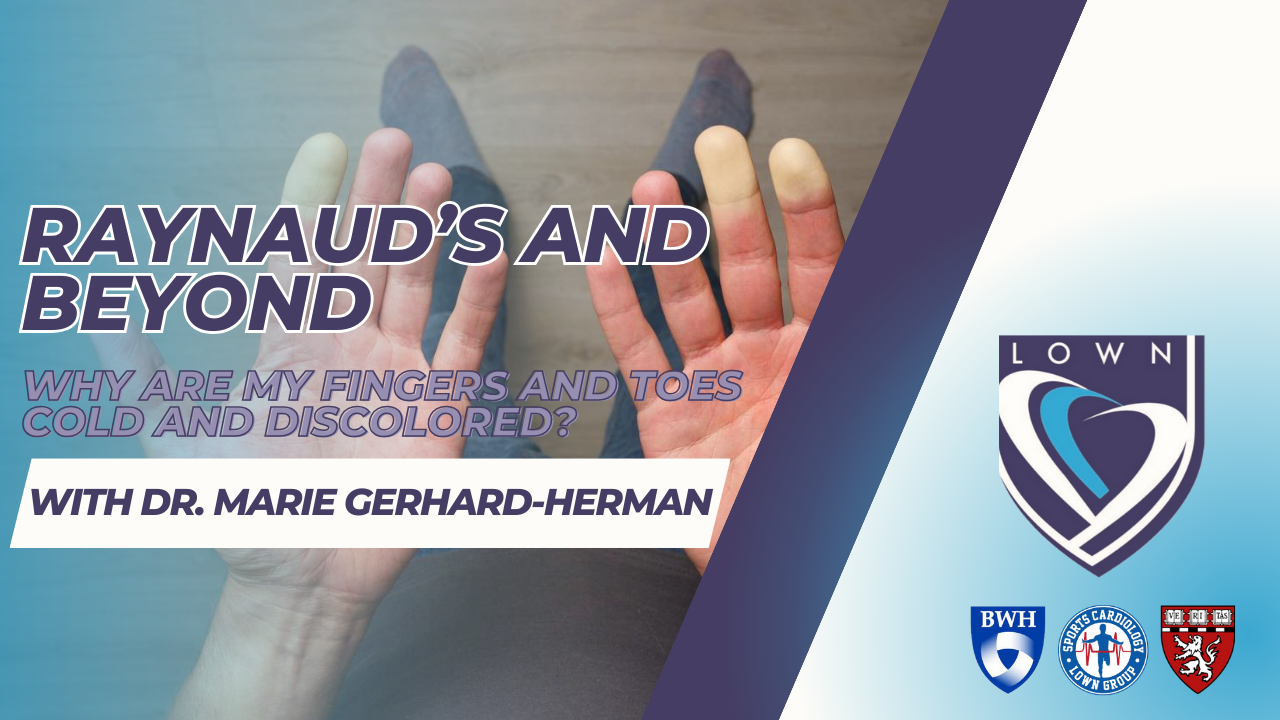
Join us as we welcome Dr. Marie Gerhard-Herman to discuss “Raynaud’s and Beyond: why are my fingers and toes cold and discolored?” Dr. Gerhard-Herman is an internationally renowned Cardiologist and Vascular Specialist at Brigham and Women’s Hospital, where her clinical expertise includes peripheral arterial disease, venous disease, Raynaud’s phenomenon, and the impact of aging on the blood vessels. She has extensive experience as a lecturer, mentor, and teacher, and is beloved by her many patients and trainees. Resources: Follow Up Info Sheet Stress Response Sheet
By Dr. Karen Lee
•
September 11, 2023
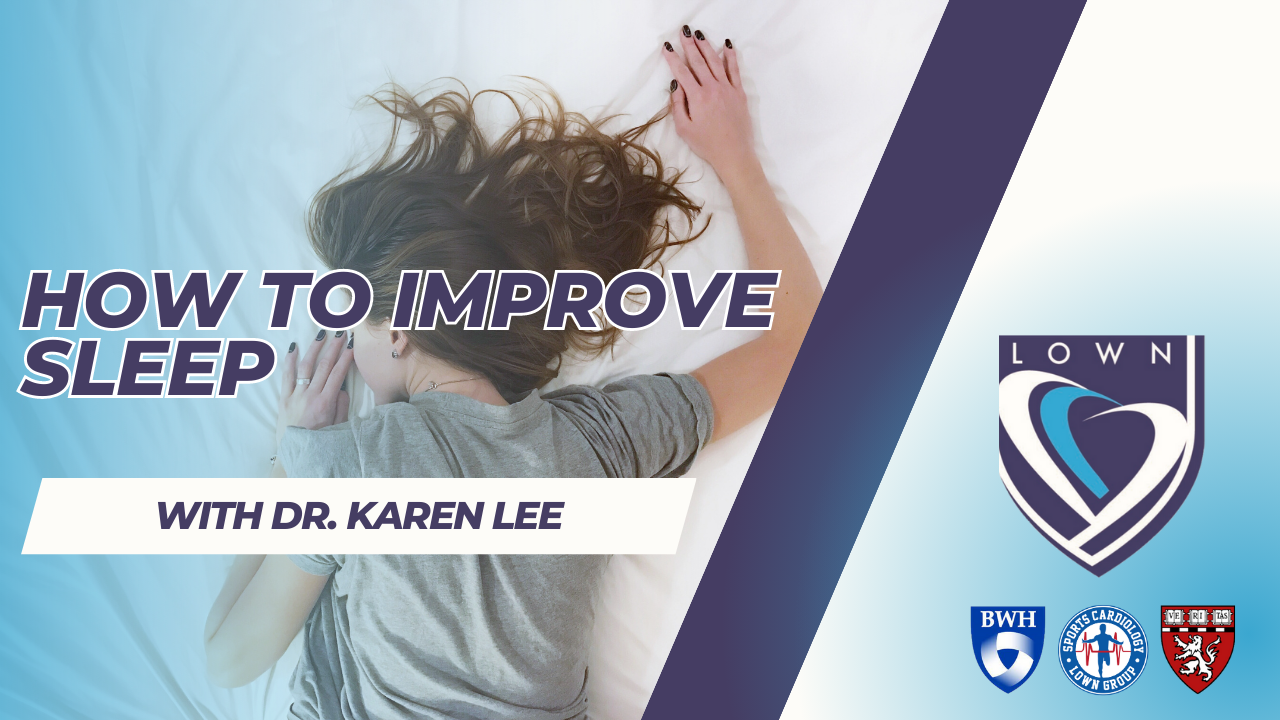
Getting a good night's sleep every night is vital to cardiovascular health. Please join us for an in-depth discussion on optimal sleep. We welcome Dr. Karen Lee, a sleep-medicine-trained neurologist, with a busy practice at Mass Eye and Ear and appointment at Harvard Medical School. Dr. Lee will review sleep recommendations, tactics to optimize sleep, treatments for insomnia, and when to see a sleep-medicine physician. Follow up questions answered by Dr. Karen Lee Q: Is there a specific brand of melatonin that you recommend? A: Per my talk, a prescription would be optimal to control what is in the melatonin. But if you would still like to purchase over the counter, some recommended over the counter brands are: Natrol, Nature's Made, and Puritan's Pride. If you try a different brand ensure it is USP or NSF certified on the label. Q:Is it normal to wake up about twice a night to go to the bathroom? A: There is not a straight forward answer to this, as there could be several reasons why this occurs, that could range from normal to abnormal, based on what is leading to the night time urination. It is known that sleep apnea leads to sympathetic surges at night, that lead to the need to urinate. So often, I have patients that urinate once, twice, or more per night, and when their sleep apnea is treated, this completely resolves or improves, regardless of patient age. If you would like to better understand of your fluid intake could be contributing, you can do a trial of cutting off fluids a few hours before bedtime several nights and see if that has an impact. Q: What can be done if the need for frequent urination interrupts sleep? Other then holding fluids after a certain time of night. A: See above, as it is always important to ensure sleep apnea is not contributing. This is a frequent referral to sleep specialists from Urologists, as if there is a Urology work up and they cannot find a reason for night time urination (there are several such as over active bladder, or insufficient emptying, or prostate issues etc.,), then they refer to sleep medicine to ensure sleep apnea is not leading to this. You should also evaluate if there is an issue with just as frequent urination during the day, this can help be clue if this is just related to sleep, or a consistent issue during the day. Q: What do you think about Trazodone? A: I prefer FDA approved sleep aids, as these medication are formulated directly to help with sleep, and trazodone is not. It is an antidepressant that has a side effect of drowsiness. But it has some positive and negatives. Some negative besides using this medication for its side effects, is that it impacts serotonin, and they may be good or bad, depending on the patient and other medications they take and how they feel. It also tends to have a very long half life, so it very commonly leads to morning and/or daytime sedation or cognitive complaints. Another negative is that it can lead to an EKG abnormal finding of QT prolongation, so this needs to be initially checked and potentially monitored moving forward based on the patient. Pros are that it is less habit forming than some other sleep aids like Ambien. Another pro is that often it can help individuals fall asleep or stay asleep. Q:Can you discuss how to improve sleep during menopause, with frequent hot flashes during the night? For women who cannot take hormones. A: This is still an active field of research. Off label medication used for this from a sleep medicine perspective is Gabapentin at night. On the other hand, Ob-gyn often uses serotonin acting medications to help with hot flashes in general. The CBTI that I spoke about in my talk is usually felt to be the most helpful. Below is a nice article that summarizes some aspect of this topic: https://womensmentalhealth.org/posts/managing-sleep-problems-in-menopausal-women-what-options-do-we-have/
By Erin DeMille, RD
•
July 18, 2023
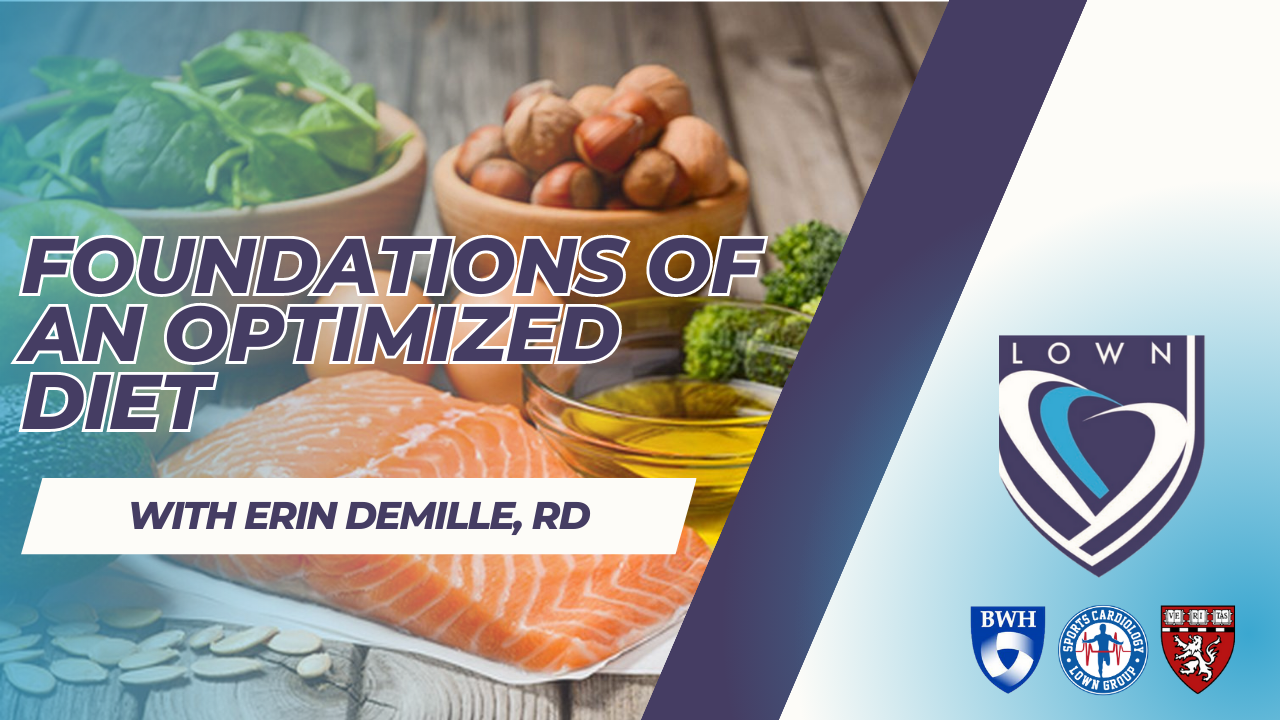
What is the Mediterranean Diet and is it really so great for me? Why should I care about potassium? Am I getting enough protein? We are delighted to welcome back Erin DeMille, formerly Erin Murray, to answer all these questions and more! Join us for our next webinar as Erin shares strategies for optimizing our diet to maximize heart health. Erin's website: https://erindemillewellness.com/ Email: erin@erinmurraywellness.com LinkedIn: https://www.linkedin.com/in/erin-murray

By Lown Staff
•
July 13, 2023
Source: GoodRx, American Diabetes Association A New Era for Diabetes and Weight Loss Drugs For patients seeking new solutions to managing type 2 diabetes and obesity, the introduction of a class of drugs called GLP-1 receptor agonists (RA) has simultaneously inspired hope and excitement along with misuse and confusion. We developed the following Q&A to go beyond the headlines and explore how Ozempic and similar drugs work, who may benefit most from them, and why they may ultimately represent a true breakthrough in the way these chronic conditions are classified, considered and treated. What defines type 2 diabetes? More than 37 million Americans have type 2 diabetes, a chronic disease that affects the ability of the body to regulate glucose (blood sugar) levels. This leads to an increase of glucose over time which significantly increases the risk for complications to vital organs such as the heart, kidneys, eyes and nerves. Diagnosis is made when testing shows: fasting glucose of 126 mg/dl or higher; or non-fasting glucose of 200 mg/dl or higher; or A1C (average of glucose over the past 3 months) of 6.5% or higher. How was type 2 diabetes previously treated? Approved by the FDA in 1994, Metformin is well established as the first line therapy for management of type 2 diabetes if lifestyle changes (low-carbohydrate diet, weight loss and exercise activity) are not enough to bring blood sugar levels down near the normal range. Metformin works by decreasing the amount of blood sugar produced by the liver in a fasting state, decreasing the absorption of food through the intestines, and restoring the body’s response to insulin. What is different about the GLP-1 RA drugs? Among the major benefits this class of drugs brings to patients with type 2 diabetes is lowering their risk for heart disease and stroke, and providing a significant boost to weight loss, in addition to helping reduce glucose levels to a near-normal range. As a result of the positive outcome reported in trials, the American Diabetes Association changed its longstanding guidelines for first-line treatment of type 2 diabetes to include recommendations for GLP-1 RA drugs in patients at high risk for cardiovascular disease or with risk factors such as high blood pressure, high cholesterol, or chronic kidney disease. How do GLP-1 RA drugs work? Known as incretin mimetics, this class of drugs mimics the effect of a hormone, glucagon-like peptide-1, or GLP-1, which is normally produced naturally to stimulate the release of insulin secretion after eating a meal. Receptors to GLP-1 are found in the pancreas, the brain and elsewhere in the body. The drug enhances these receptors, which help the pancreas release more insulin and help reduce blood sugar levels without raising the risk for hypoglycemia (too- low blood sugar levels). By limiting the amount of sugar the liver releases into the bloodstream in a fasting state, and slowing down how long food stays in the stomach, the drug promotes a feeling of satiety, leading people to be satisfied with eating smaller portions. In addition, some patients have reported a marked decrease in cravings for carbohydrate-rich and fatty foods. What are GLP-1 RA drugs intended to treat – diabetes, obesity, or both? Under certain names, GLP-1 RA drugs are FDA-approved only for treatment of type 2 diabetes while offering added benefits of weight loss and cardiovascular protection; under other names, the drugs are indicated only for weight loss, but not for treatment of diabetes. While the ingredients can be identical, the difference is in dosage amounts and whether the trials focused on the drug’s impact on blood sugar or weight changes. For example, semaglutide, a GLP-1 drug, is approved to treat diabetes under the name Ozempic; a higher-dose version of semaglutide, Wegovy, is only FDA approved for weight loss. The same is true for liragutide, approved for type 2 diabetes as Victoza, and for weight loss as Saxenda. Are there side effects? Most side effects for these types on drugs are gastrointestinal, including nausea, diarrhea or constipation, abdominal pain. How effective are GLP-1 RA drugs like Saxenda and Wegovy for weight loss? Trials to date have shown excellent results, with patients able to lose between 5 to 20% of their total body weight. However, these drugs are not meant for people wanting to lose 10 or 15 pounds. They are indicated for those who are obese, as measured by a body mass index (BMI) of 30 or higher; or for people with a BMI of 27 or greater with at least one weight-related coexisting condition such as high blood pressure, elevated cholesterol levels. It’s important to note that obesity is a chronic disease, and these drugs may be needed as a long-term treatment to help lose pounds and maintain weight loss, along with lifestyle changes that include a healthy diet and 150 minutes a week of moderate-intensity aerobic and muscle-strengthening activities. How do SGLT2 inhibitors fit into the mix of drugs for diabetes? This is a newer class of drugs that lowers blood sugar levels by preventing the kidneys from reabsorbing glucose back into the bloodstream but instead releasing it through urine. Originally intended only for lowering blood sugar, later research data showed the drugs offered significant benefits for type 2 diabetes patients with coexisting conditions. Now some SGLT2 drugs- Invokana (canaglifozin), Farxiga (dapaglifozin), and Jardiance (empagliflozin) - have also been approved for use by non-diabetic patients with a history of chronic kidney disease or congestive heart failure. Are other drugs in the wings? Mounjaro, a GLP-1 RA drug that also promotes a second gut hormone (glucose-dependent insulinotropic polypeptide, or GIP) is currently approved for treatment of type 2 diabetes, and on a fast track approval by the FDA to be used as a weight loss medication. How will I know which drug is right for me? This is a decision best made on an individual basis with your physician, who will consider factors such as your overall health status, drug intolerances, risk factors for developing diabetes-related complications, benefits versus possible harm from side effects, and preferred formulation (oral or injection). Drugs with Benefits: A Guide to GLP-1 RA Therapies NOTE: Non-GLP-1 RA drugs used for weight loss are not listed here… Please consult with your healthcare provider regarding your best option.

By Lown Staff
•
July 13, 2023
Source: NIH, National Geographic Ticked Off: How to Recognize, Relieve and Resist Lyme Disease Summertime is prime time for ticks, which are becoming more prevalent each year. A combination of changing land use and warmer winters has greatly expanded the ticks’ habitat and they’re now found in more than half of U.S. counties. As a result, tick-borne Lyme disease has doubled over the last two decades to nearly 500,000 cases annually, earning it the unfortunate distinction of being the most common vector-borne illness in the Northern hemisphere. Read on for details on how to protect yourself this season, and in the summers to come. Identifying Lyme In its acute phase (one to two weeks after the bite), Lyme can cause fevers and chills, joint pain, headache, muscle aches and is frequently accompanied by a salmon-colored rash at the site of the tick bite. It may have a “bulls-eye” appearance, often considered a sign of infection, but the rash can manifest differently, or not at all. Diagnosis is based on symptoms, physical findings (e.g., rash), the possibility of exposure to infected ticks, and antibody tests. A high number of false negative tests occur in the early phase, however, because it takes time for the immune system to respond to the infection and create antibodies. As the infection progresses, virtually everyone with Lyme disease has a positive test result. Treating early, late and long Lyme Most people recover from Lyme disease rapidly and completely if diagnosed early and treated with a short course of oral antibiotics. More serious symptoms, including joint pain and swelling, nerve problems and neurological issues, may develop if Lyme disease is left untreated. Known as late Lyme disease, it can occur months to years after a tick bite, and requires a longer course of antibiotics, administered intravenously. Post-Treatment Lyme disease, sometimes called chronic or long Lyme disease, is experienced by 5% to 15% of patients who have lingering symptoms such as headache, fatigue, joint pain and “brain fog.” While the condition is not yet well understood, experts have found additional antibiotic treatments are not usually helpful, and the symptoms gradually resolve over time. Preventing Lyme The best way to avert the complications of Lyme disease is to vigilantly avoid ticks. These tips can help you prevent Lyme disease: Wear shoes, long pants tucked into socks, a long-sleeved shirt, hat and gloves in wooded or grassy areas. Stick to trails, stay clear of low bushes and long grass. Use insect repellants such as DEET, picardin, permethrin (apply to clothing). Do tick checks on your body after outside activities. Be sure to check your dogs for ticks too! Remove any ticks promptly with clean, fine-tipped tweezers. Be reassured that just finding a tick on your skin doesn’t mean you’ll get Lyme disease; a tick needs to be attached for at least 48 hours before it can transmit the bacteria. Look for advanced protection in the next few years from two well-known names in vaccines – Pfizer and Moderna. An earlier vaccine, LYMERix, was discontinued in 2002 due to lack of interest at a time of lower Lyme disease cases, as well as concerns over side effects. Pfizer’s VLA15 is intended to block the bacteria from leaving the tick. Moderna is applying mRNA technology used in its COVID vaccine to target the Borrelia bacteria species at the root of most U.S. Lyme disease cases. Also of note is MassBiologics’ shot that delivers a single, human anti-Lyme antibody directly to a person to provide immediate immunity…now in trials. QUICK BITES: Fast Facts About Lyme Disease Most Lyme disease infections in the U.S. occur May through September. Cases of Lyme disease are most commonly seen in the northeast and mid-Atlantic states (from Maine to Virginia), the Midwest (Minnesota, Wisconsin, and Michigan), and the West Coast (California). The disease was first recognized in Old Lyme, Connecticut in 1975 when a cluster of children developed unexplained, rheumatoid arthritis-like symptoms. Not until the next decade was the cause discovered: the spiral bacteria Borrelia burdorferi in deer ticks prevalent in the forests near where the infections occurred. Testing confirmed the Lyme disease bacterium was passed to humans via the bite of a deer tick.
By Joel T. Katz, MD
•
August 8, 2025
These seasonal vaccines are safe and effective, based on many well-designed scientific trials. The Advisory Committee on Immunization Practices of the CDC has comprehensive, reliable and balanced information about all available vaccines.
By Dr. Simin Lee
•
May 23, 2025
Whether you’re in the middle of menopause or well past it, your heart health matters more than ever. Hormonal changes during and after menopause can raise your risk for cardiovascular disease – but the good news is, you can take action to protect yourself.
Watch this webinar to learn:
- How menopause impacts your heart, both now and later
- The raising risk of heart disease after menopause
- Practical steps you can take to strengthen your heart at any stage
By Dr. Laurie Dos Santos, Dr. Demi Maglio, and Dr. Kaitlin Patton
•
June 24, 2024
Living with Postural Orthostatic Tachycardia Syndrome (POTS) can be incredibly taxing and overwhelming, often depleting resources we didn't even know we had. Amidst the constant management of symptoms, or mental health and overall well-being can sometimes take a back seat. However, nurturing our mental and emotional health is just as crucial as caring for our physical health. Join three chronic health psychologists for an engaging and supportive discussion where we will explore practical strategies to cope with the daily challenges of POTS. Learn how to manage your symptoms while prioritizing your mental well-being effectively. Follow along with the worksheet: https://drive.google.com/file/d/1DMhCvjhUcXQ08zG2OYu2Uo5r_ahG1bst/view?usp=sharing Evolvinn Contact information: Website: https://evolvinn.com/ Facebook: https://www.facebook.com/Evolvinn Linked in: https://www.linkedin.com/company/evolvinn Instagram: https://www.instagram.com/evolvinntherapy/ Pinterest: https://www.pinterest.com/evolvinntherapy/ Office phone: (703) 520-7878 Email: info@evolvinn.com
By Skylar Griggs, MS, RD, LDN
•
March 5, 2024
Join us as we welcome Skylar Griggs, MS, RD, LDN of Newbury Street Nutrition. We will be discussing 5 simple diet changes you can make to optimize your heart health and how your food choices directly affect your blood pressure, cholesterol levels and gut health.
By Dr. Simin G. Lee
•
February 6, 2024
Dive into the heart health breakthrough of the moment with our expert-led webinar on GLP-1 medications. We'll dissect how these drugs work, their impact on your heart health, common concerns, and what the future holds. This session is tailored for patients who seek a deeper understanding of their treatment options in a rapidly evolving medical landscape.
By Lown Staff
•
December 4, 2023
Please join us as we continue our discussion on the benefits of exercise in cardiovascular health. This webinar will be devoted to understanding the role of exercise in patients with cardiac diseases including coronary artery disease, atrial fibrillation, and heart failure. Study on Coronary Artery Disease: https://www.jacc.org/doi/10.1016/j.jacep.2022.12.002 Study on Atrial Fibrillation: https://www.jacc.org/doi/10.1016/j.jacep.2022.12.002 Study on Heart Failure with Preserved EF: https://www.ahajournals.org/doi/full/10.1161/CIRCULATIONAHA.117.030617 Study on Heart Failure with Reduced EF: https://jamanetwork.com/journals/jama/fullarticle/183708 Overview study of all cardiac diseases: https://www.jacc.org/doi/10.1016/j.jacc.2022.07.004
By Dr. Amit Anand
•
November 6, 2023
Please join us as we welcome Dr. Amit Anand for his talk on Pranayama-Breath Work. The talk will focus on the role of Pranayama-breath-work practices for the cultivation of health and well-being. Breath-work has its roots in the wisdom tradition of Yoga. The accumulated science on breath-work and its effects on pulmonary and cardiovascular physiology, emotional wellbeing and sleep will be highlighted. The participants will also learn simple breathing exercises that they can incorporate into their lives on a daily basis. Dr. Anand's Website: https://www.pranayamarx.com/
By Dr. Marie Gerhard-Herman
•
October 17, 2023
Join us as we welcome Dr. Marie Gerhard-Herman to discuss “Raynaud’s and Beyond: why are my fingers and toes cold and discolored?” Dr. Gerhard-Herman is an internationally renowned Cardiologist and Vascular Specialist at Brigham and Women’s Hospital, where her clinical expertise includes peripheral arterial disease, venous disease, Raynaud’s phenomenon, and the impact of aging on the blood vessels. She has extensive experience as a lecturer, mentor, and teacher, and is beloved by her many patients and trainees. Resources: Follow Up Info Sheet Stress Response Sheet
By Dr. Karen Lee
•
September 11, 2023
Getting a good night's sleep every night is vital to cardiovascular health. Please join us for an in-depth discussion on optimal sleep. We welcome Dr. Karen Lee, a sleep-medicine-trained neurologist, with a busy practice at Mass Eye and Ear and appointment at Harvard Medical School. Dr. Lee will review sleep recommendations, tactics to optimize sleep, treatments for insomnia, and when to see a sleep-medicine physician. Follow up questions answered by Dr. Karen Lee Q: Is there a specific brand of melatonin that you recommend? A: Per my talk, a prescription would be optimal to control what is in the melatonin. But if you would still like to purchase over the counter, some recommended over the counter brands are: Natrol, Nature's Made, and Puritan's Pride. If you try a different brand ensure it is USP or NSF certified on the label. Q:Is it normal to wake up about twice a night to go to the bathroom? A: There is not a straight forward answer to this, as there could be several reasons why this occurs, that could range from normal to abnormal, based on what is leading to the night time urination. It is known that sleep apnea leads to sympathetic surges at night, that lead to the need to urinate. So often, I have patients that urinate once, twice, or more per night, and when their sleep apnea is treated, this completely resolves or improves, regardless of patient age. If you would like to better understand of your fluid intake could be contributing, you can do a trial of cutting off fluids a few hours before bedtime several nights and see if that has an impact. Q: What can be done if the need for frequent urination interrupts sleep? Other then holding fluids after a certain time of night. A: See above, as it is always important to ensure sleep apnea is not contributing. This is a frequent referral to sleep specialists from Urologists, as if there is a Urology work up and they cannot find a reason for night time urination (there are several such as over active bladder, or insufficient emptying, or prostate issues etc.,), then they refer to sleep medicine to ensure sleep apnea is not leading to this. You should also evaluate if there is an issue with just as frequent urination during the day, this can help be clue if this is just related to sleep, or a consistent issue during the day. Q: What do you think about Trazodone? A: I prefer FDA approved sleep aids, as these medication are formulated directly to help with sleep, and trazodone is not. It is an antidepressant that has a side effect of drowsiness. But it has some positive and negatives. Some negative besides using this medication for its side effects, is that it impacts serotonin, and they may be good or bad, depending on the patient and other medications they take and how they feel. It also tends to have a very long half life, so it very commonly leads to morning and/or daytime sedation or cognitive complaints. Another negative is that it can lead to an EKG abnormal finding of QT prolongation, so this needs to be initially checked and potentially monitored moving forward based on the patient. Pros are that it is less habit forming than some other sleep aids like Ambien. Another pro is that often it can help individuals fall asleep or stay asleep. Q:Can you discuss how to improve sleep during menopause, with frequent hot flashes during the night? For women who cannot take hormones. A: This is still an active field of research. Off label medication used for this from a sleep medicine perspective is Gabapentin at night. On the other hand, Ob-gyn often uses serotonin acting medications to help with hot flashes in general. The CBTI that I spoke about in my talk is usually felt to be the most helpful. Below is a nice article that summarizes some aspect of this topic: https://womensmentalhealth.org/posts/managing-sleep-problems-in-menopausal-women-what-options-do-we-have/
By Erin DeMille, RD
•
July 18, 2023
What is the Mediterranean Diet and is it really so great for me? Why should I care about potassium? Am I getting enough protein? We are delighted to welcome back Erin DeMille, formerly Erin Murray, to answer all these questions and more! Join us for our next webinar as Erin shares strategies for optimizing our diet to maximize heart health. Erin's website: https://erindemillewellness.com/ Email: erin@erinmurraywellness.com LinkedIn: https://www.linkedin.com/in/erin-murray
By Lown Staff
•
July 13, 2023
Source: GoodRx, American Diabetes Association A New Era for Diabetes and Weight Loss Drugs For patients seeking new solutions to managing type 2 diabetes and obesity, the introduction of a class of drugs called GLP-1 receptor agonists (RA) has simultaneously inspired hope and excitement along with misuse and confusion. We developed the following Q&A to go beyond the headlines and explore how Ozempic and similar drugs work, who may benefit most from them, and why they may ultimately represent a true breakthrough in the way these chronic conditions are classified, considered and treated. What defines type 2 diabetes? More than 37 million Americans have type 2 diabetes, a chronic disease that affects the ability of the body to regulate glucose (blood sugar) levels. This leads to an increase of glucose over time which significantly increases the risk for complications to vital organs such as the heart, kidneys, eyes and nerves. Diagnosis is made when testing shows: fasting glucose of 126 mg/dl or higher; or non-fasting glucose of 200 mg/dl or higher; or A1C (average of glucose over the past 3 months) of 6.5% or higher. How was type 2 diabetes previously treated? Approved by the FDA in 1994, Metformin is well established as the first line therapy for management of type 2 diabetes if lifestyle changes (low-carbohydrate diet, weight loss and exercise activity) are not enough to bring blood sugar levels down near the normal range. Metformin works by decreasing the amount of blood sugar produced by the liver in a fasting state, decreasing the absorption of food through the intestines, and restoring the body’s response to insulin. What is different about the GLP-1 RA drugs? Among the major benefits this class of drugs brings to patients with type 2 diabetes is lowering their risk for heart disease and stroke, and providing a significant boost to weight loss, in addition to helping reduce glucose levels to a near-normal range. As a result of the positive outcome reported in trials, the American Diabetes Association changed its longstanding guidelines for first-line treatment of type 2 diabetes to include recommendations for GLP-1 RA drugs in patients at high risk for cardiovascular disease or with risk factors such as high blood pressure, high cholesterol, or chronic kidney disease. How do GLP-1 RA drugs work? Known as incretin mimetics, this class of drugs mimics the effect of a hormone, glucagon-like peptide-1, or GLP-1, which is normally produced naturally to stimulate the release of insulin secretion after eating a meal. Receptors to GLP-1 are found in the pancreas, the brain and elsewhere in the body. The drug enhances these receptors, which help the pancreas release more insulin and help reduce blood sugar levels without raising the risk for hypoglycemia (too- low blood sugar levels). By limiting the amount of sugar the liver releases into the bloodstream in a fasting state, and slowing down how long food stays in the stomach, the drug promotes a feeling of satiety, leading people to be satisfied with eating smaller portions. In addition, some patients have reported a marked decrease in cravings for carbohydrate-rich and fatty foods. What are GLP-1 RA drugs intended to treat – diabetes, obesity, or both? Under certain names, GLP-1 RA drugs are FDA-approved only for treatment of type 2 diabetes while offering added benefits of weight loss and cardiovascular protection; under other names, the drugs are indicated only for weight loss, but not for treatment of diabetes. While the ingredients can be identical, the difference is in dosage amounts and whether the trials focused on the drug’s impact on blood sugar or weight changes. For example, semaglutide, a GLP-1 drug, is approved to treat diabetes under the name Ozempic; a higher-dose version of semaglutide, Wegovy, is only FDA approved for weight loss. The same is true for liragutide, approved for type 2 diabetes as Victoza, and for weight loss as Saxenda. Are there side effects? Most side effects for these types on drugs are gastrointestinal, including nausea, diarrhea or constipation, abdominal pain. How effective are GLP-1 RA drugs like Saxenda and Wegovy for weight loss? Trials to date have shown excellent results, with patients able to lose between 5 to 20% of their total body weight. However, these drugs are not meant for people wanting to lose 10 or 15 pounds. They are indicated for those who are obese, as measured by a body mass index (BMI) of 30 or higher; or for people with a BMI of 27 or greater with at least one weight-related coexisting condition such as high blood pressure, elevated cholesterol levels. It’s important to note that obesity is a chronic disease, and these drugs may be needed as a long-term treatment to help lose pounds and maintain weight loss, along with lifestyle changes that include a healthy diet and 150 minutes a week of moderate-intensity aerobic and muscle-strengthening activities. How do SGLT2 inhibitors fit into the mix of drugs for diabetes? This is a newer class of drugs that lowers blood sugar levels by preventing the kidneys from reabsorbing glucose back into the bloodstream but instead releasing it through urine. Originally intended only for lowering blood sugar, later research data showed the drugs offered significant benefits for type 2 diabetes patients with coexisting conditions. Now some SGLT2 drugs- Invokana (canaglifozin), Farxiga (dapaglifozin), and Jardiance (empagliflozin) - have also been approved for use by non-diabetic patients with a history of chronic kidney disease or congestive heart failure. Are other drugs in the wings? Mounjaro, a GLP-1 RA drug that also promotes a second gut hormone (glucose-dependent insulinotropic polypeptide, or GIP) is currently approved for treatment of type 2 diabetes, and on a fast track approval by the FDA to be used as a weight loss medication. How will I know which drug is right for me? This is a decision best made on an individual basis with your physician, who will consider factors such as your overall health status, drug intolerances, risk factors for developing diabetes-related complications, benefits versus possible harm from side effects, and preferred formulation (oral or injection). Drugs with Benefits: A Guide to GLP-1 RA Therapies NOTE: Non-GLP-1 RA drugs used for weight loss are not listed here… Please consult with your healthcare provider regarding your best option.
By Lown Staff
•
July 13, 2023
Source: NIH, National Geographic Ticked Off: How to Recognize, Relieve and Resist Lyme Disease Summertime is prime time for ticks, which are becoming more prevalent each year. A combination of changing land use and warmer winters has greatly expanded the ticks’ habitat and they’re now found in more than half of U.S. counties. As a result, tick-borne Lyme disease has doubled over the last two decades to nearly 500,000 cases annually, earning it the unfortunate distinction of being the most common vector-borne illness in the Northern hemisphere. Read on for details on how to protect yourself this season, and in the summers to come. Identifying Lyme In its acute phase (one to two weeks after the bite), Lyme can cause fevers and chills, joint pain, headache, muscle aches and is frequently accompanied by a salmon-colored rash at the site of the tick bite. It may have a “bulls-eye” appearance, often considered a sign of infection, but the rash can manifest differently, or not at all. Diagnosis is based on symptoms, physical findings (e.g., rash), the possibility of exposure to infected ticks, and antibody tests. A high number of false negative tests occur in the early phase, however, because it takes time for the immune system to respond to the infection and create antibodies. As the infection progresses, virtually everyone with Lyme disease has a positive test result. Treating early, late and long Lyme Most people recover from Lyme disease rapidly and completely if diagnosed early and treated with a short course of oral antibiotics. More serious symptoms, including joint pain and swelling, nerve problems and neurological issues, may develop if Lyme disease is left untreated. Known as late Lyme disease, it can occur months to years after a tick bite, and requires a longer course of antibiotics, administered intravenously. Post-Treatment Lyme disease, sometimes called chronic or long Lyme disease, is experienced by 5% to 15% of patients who have lingering symptoms such as headache, fatigue, joint pain and “brain fog.” While the condition is not yet well understood, experts have found additional antibiotic treatments are not usually helpful, and the symptoms gradually resolve over time. Preventing Lyme The best way to avert the complications of Lyme disease is to vigilantly avoid ticks. These tips can help you prevent Lyme disease: Wear shoes, long pants tucked into socks, a long-sleeved shirt, hat and gloves in wooded or grassy areas. Stick to trails, stay clear of low bushes and long grass. Use insect repellants such as DEET, picardin, permethrin (apply to clothing). Do tick checks on your body after outside activities. Be sure to check your dogs for ticks too! Remove any ticks promptly with clean, fine-tipped tweezers. Be reassured that just finding a tick on your skin doesn’t mean you’ll get Lyme disease; a tick needs to be attached for at least 48 hours before it can transmit the bacteria. Look for advanced protection in the next few years from two well-known names in vaccines – Pfizer and Moderna. An earlier vaccine, LYMERix, was discontinued in 2002 due to lack of interest at a time of lower Lyme disease cases, as well as concerns over side effects. Pfizer’s VLA15 is intended to block the bacteria from leaving the tick. Moderna is applying mRNA technology used in its COVID vaccine to target the Borrelia bacteria species at the root of most U.S. Lyme disease cases. Also of note is MassBiologics’ shot that delivers a single, human anti-Lyme antibody directly to a person to provide immediate immunity…now in trials. QUICK BITES: Fast Facts About Lyme Disease Most Lyme disease infections in the U.S. occur May through September. Cases of Lyme disease are most commonly seen in the northeast and mid-Atlantic states (from Maine to Virginia), the Midwest (Minnesota, Wisconsin, and Michigan), and the West Coast (California). The disease was first recognized in Old Lyme, Connecticut in 1975 when a cluster of children developed unexplained, rheumatoid arthritis-like symptoms. Not until the next decade was the cause discovered: the spiral bacteria Borrelia burdorferi in deer ticks prevalent in the forests near where the infections occurred. Testing confirmed the Lyme disease bacterium was passed to humans via the bite of a deer tick.

Downloadable Resources:
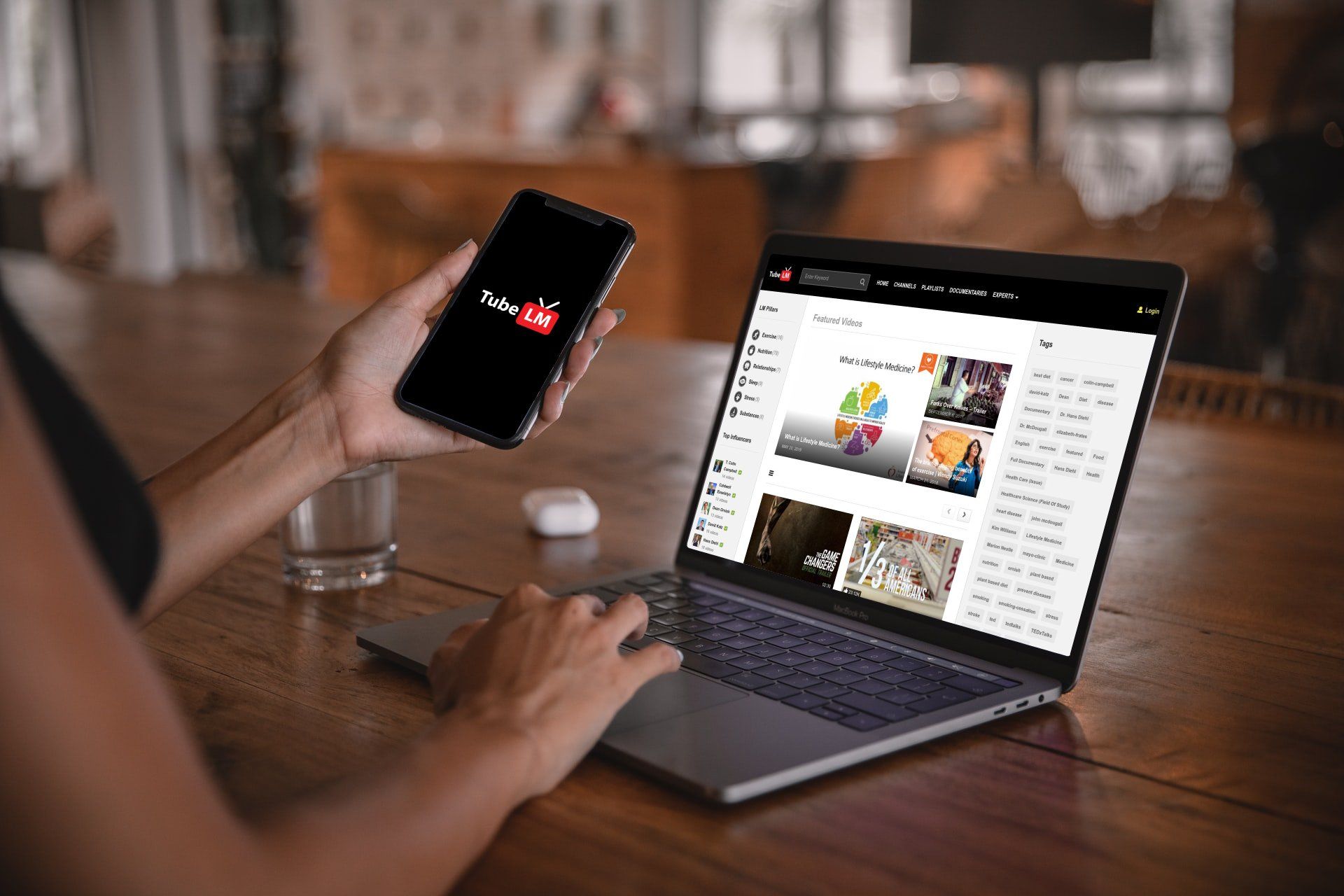
Lifestyle Medicine At Your Fingertips

Expert content from the American College of Lifestyle Medicine. Click images to download.


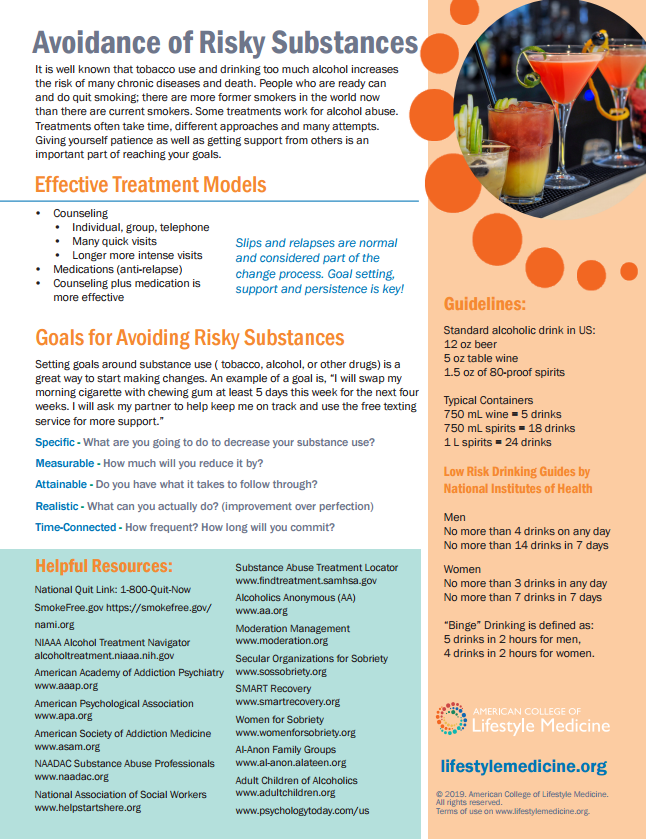
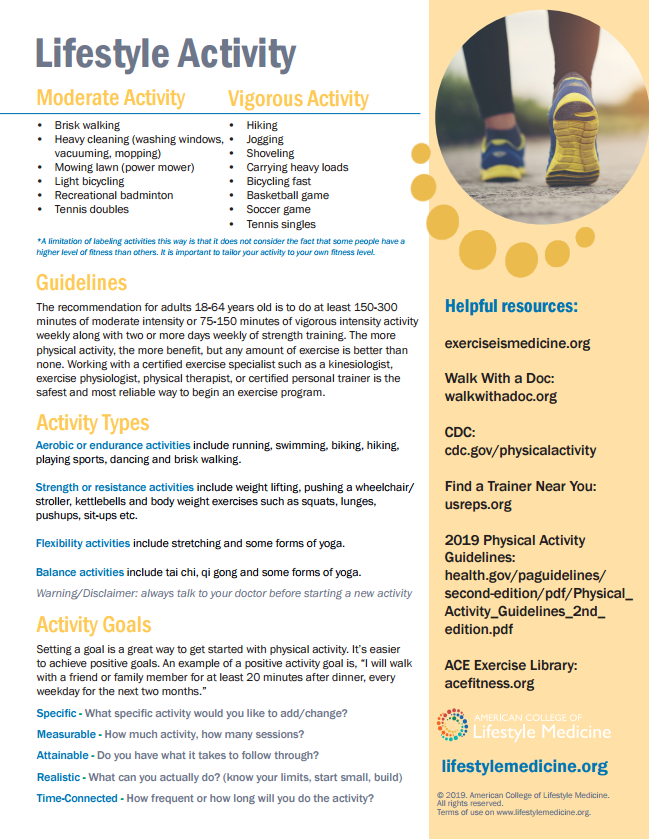

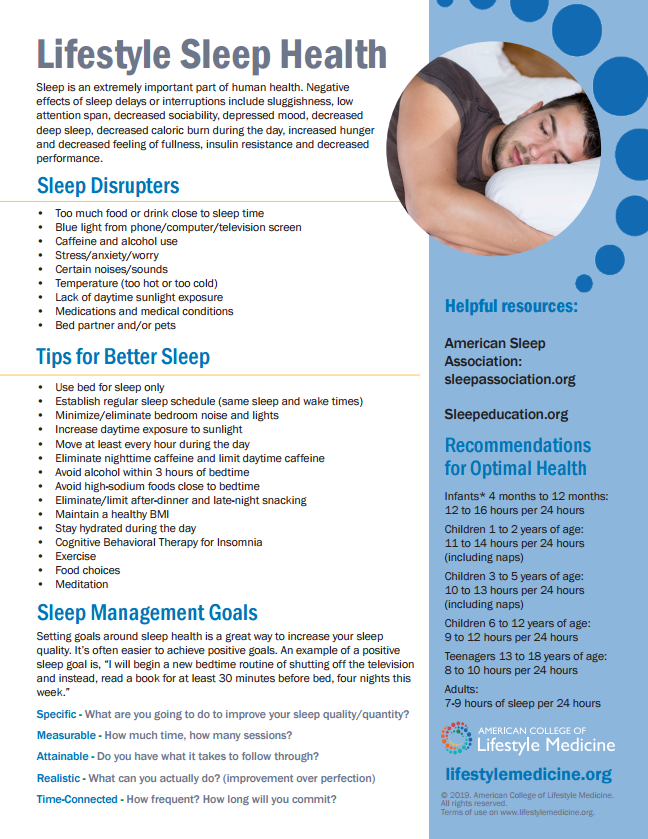
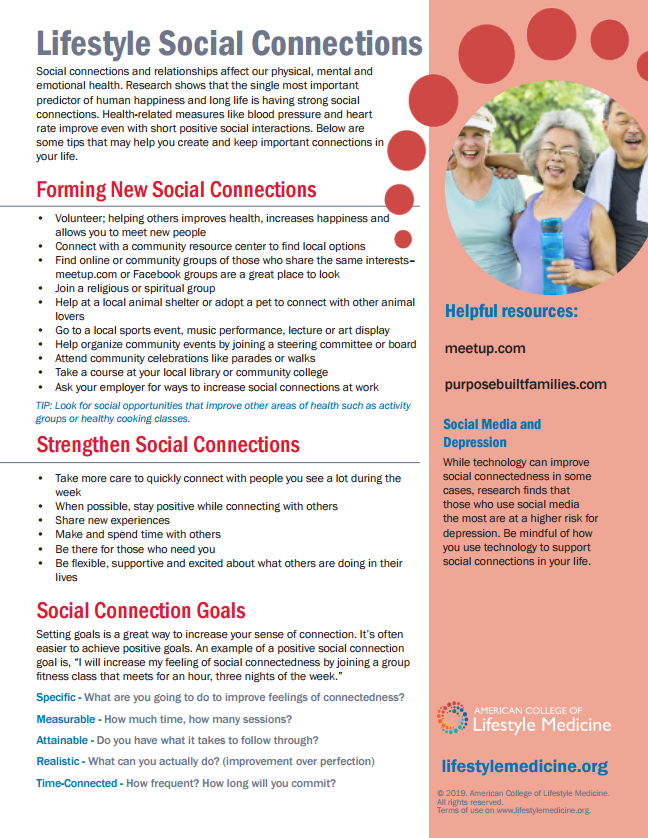
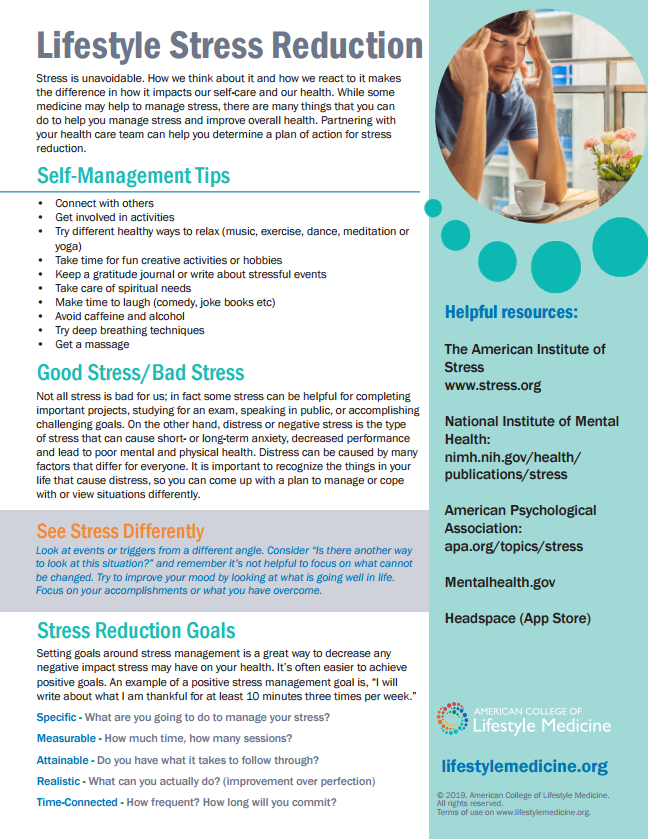
Books recommended by ACLM
-
![]()
The Good Life
Button -
![]()
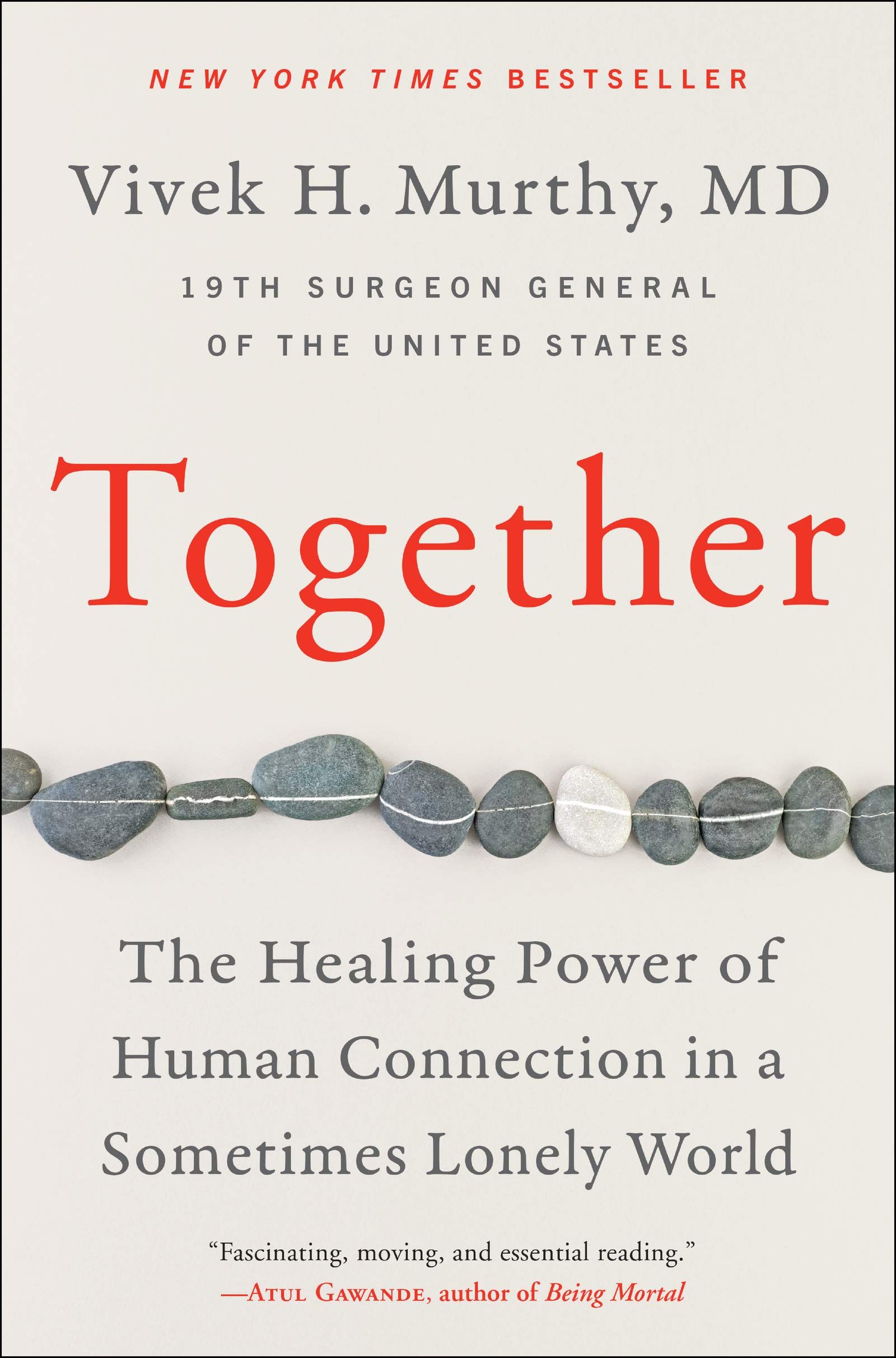
Together
Button -
![]()
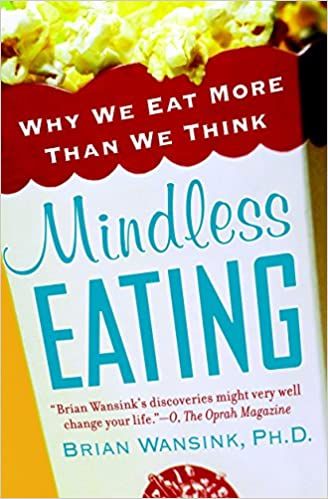
Mindless Eating
Button -
![]()
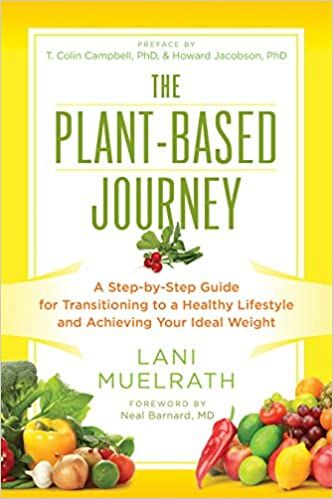
The Plant-Based Journey
Button -
![]()
The Omnivore's Dilemma
Button -
![]()
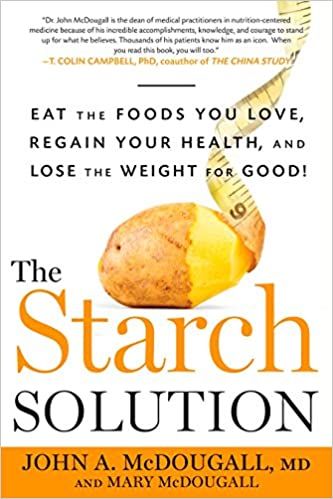
The Starch Solution
Button -
![]()
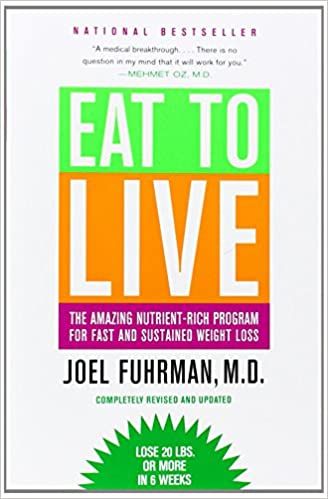
Eat To Live
Button -
![]()
Food Over Medicine
Button -
![]()
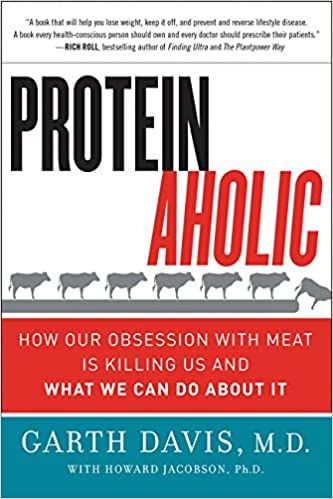
Proteinaholic
Button -
![]()
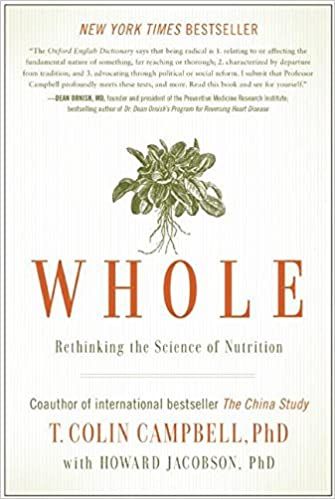
WHOLE
Button -
![]()
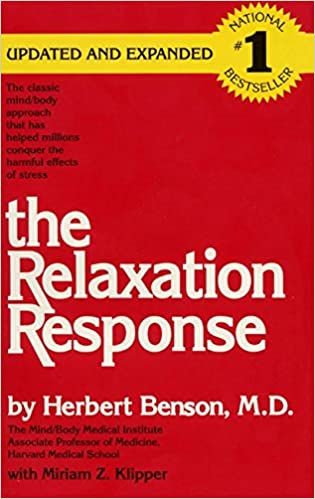
The Relaxation Response
Button -
![]()
Undo It
Button -
![]()
How Not to Die
Button -
![]()
The Cheese Trap
Button -
![]()
The Pleasure Trap
Button