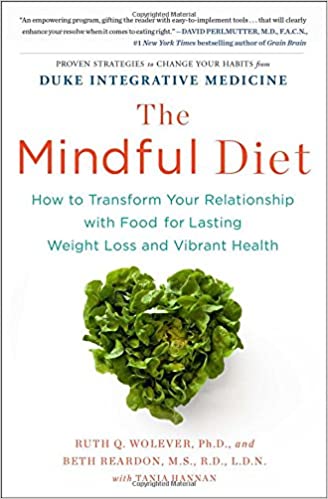
Knowing the nutritional make-up of your diet is one thing, but have you ever thought about the psychology of what you eat? A new book combines both to help you lose weight and keep it off for life.
If you’ve ever overeaten, rushed your meal, eaten comfort or junk food, you’re not alone, but knowing each of these things isn’t good for you and figuring our why you do them could be the key to weight loss and a healthy life. Authors Ruth Wolever and Beth Reardon, both leading experts from Duke Integrative Medicine, spent 14 years researching The Mindful Diet, an innovative book that combines health psychology and nutrition.
While most of us have a fairly good idea of what we shouldn’t eat, it’s the ingrained unhealthy eating habits that hold us back from succeeding when it comes to making the right nutritional choices. As my co-author, Dr. Ruth Wolever reminds us; our culture is very externally focused. We respond to external cues to eat and look for external advice. Diets become a set of rules to follow with someone else telling us what to do. That can work for a short period of time, but we are likely to return to old eating habits unless we acknowledge the real reasons why we eat/overeat. That’s why many people will initially lose weight but then gradually regain or increase their weight over the long-term.
It’s a challenge that many yo-yo dieters experience repeatedly, but weight-loss success is far more likely to come from within than from others, believes Wolever. “Lots of people ignore their own bodies and internal wisdom,” she says. “It’s counterintuitive and leads to a disconnect between our mind and body. If we access the incredible power of our mind and appreciate what we have internally we improve both our mind and self-esteem.”
As the book’s title suggests, mindfulness is a powerful tool in changing our approach to food and affecting our behavior. Stress, unhappiness and unconscious beliefs are all likely contributors to unhealthy eating and so being in the moment and thinking about what and how we eat can make huge inroads to change.
Recent Blog Posts